Skip to product information
1 of 2

Kusenaoshi (Whisk Shaper)

Kusenaoshi (Whisk Shaper)

Regular price $18.00 USD
Regular price Sale price $18.00 USD
Sale Sold out
Taxes included. Shipping calculated at checkout.

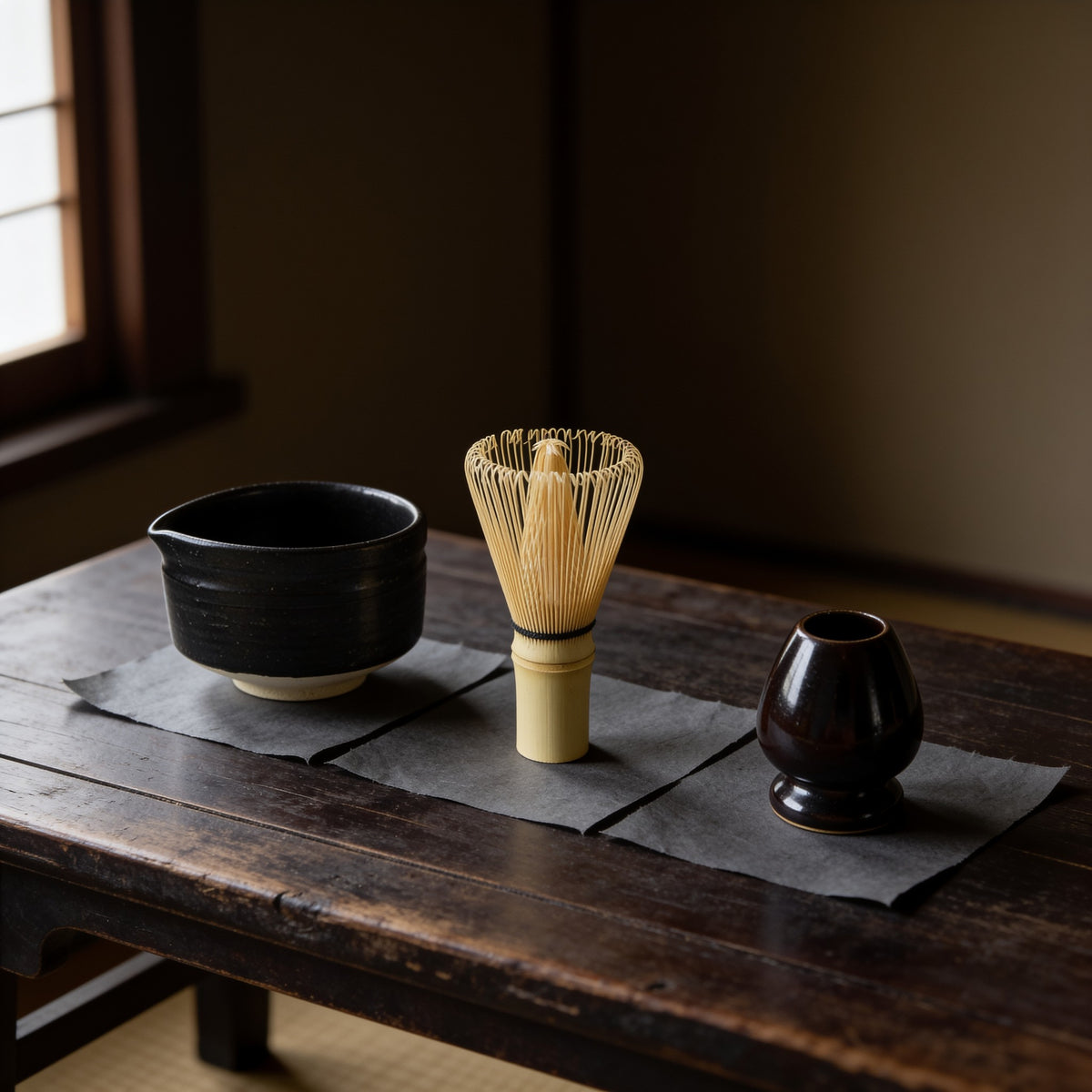
A small glazed dome that a bamboo whisk sits over, head down, to press splayed tines back into shape. The name is two words. Kuse is the bend a thing has picked up — you use the same word for a cowlick in hair. Naoshi is putting it right.

Buy this when your tines have already splayed, not before. It is a shaping tool and nothing else. It will not make a whisk last longer, and a whisk should not be dried on it — the dome sits inside the head and blocks the airflow at exactly the point that most needs to dry. I have written at length about why, and the conclusion did not change when I started stocking one.

The best known one in English is a wooden version at $42, sold beside a $44 whisk. That ratio never made sense to me: the tool that corrects a fault should not cost what the thing it corrects costs. Ceramic ones sit lower, from about $16. This is the plain ceramic version — matte black, 6 cm across — priced as a small correction rather than a second purchase you have to weigh up.

It is made in China, and I would rather say so. Almost every kusenaoshi sold in English is, including several described as Japanese. This one is tested and passed for lead and cadmium, which is the part that actually matters for something a wet whisk sits in. Everything else in this shop that is made in Japan says so on its own page.

Because it is glazed and fired, no two are identical. The sheen varies from matte to slightly glossy, and small dark specks or pinholes appear in the glaze. Those are firing characteristics rather than faults, and I will not pretend otherwise by photographing only the best one.

Use it on a wet whisk. Soak the head, press it firmly onto the dome so the outer tines splay outward around it, then take the whisk off and stand it on its handle to dry. Ships from Japan. A flat $9.90 to the United States; free to everywhere else on orders of $199 or more. Import duties, if any, are paid on delivery.

Specifications

MaterialGlazed ceramic, matte black
SizeApprox. 6 cm across, 7 cm tall
WeightApprox. 95 g
Made inChina. Tested and passed for lead and cadmium
UseReshaping tines that have splayed. Not a drying stand
CareRinse and dry. Not for the dishwasher
VariationGlaze sheen varies from matte to slightly glossy; small dark specks and pinholes are firing characteristics
Expected lifeIndefinitely. There is nothing on it to wear out
Ships fromTokyo, Japan
Quantity

Sending this as a gift? Hand wrapping and a handwritten card can be added in the cart, and we will leave the prices out of the parcel at no charge.

View full details

Before you buy

Do I need a kusenaoshi?

Not to make matcha, and not to make a whisk last longer. Buy one when the outer tines have splayed outward and stayed that way. Until then it sits in a cupboard. I have written the long answer.

Can I dry my whisk on it?

You can, and I would not. The dome fills the inside of the head, which is the part that most needs air. Dry the whisk standing on the end of its own handle instead.

How do I use it?

On a wet whisk. Soak the head in warm water, press it down onto the dome firmly enough that the outer tines splay around it, then lift the whisk off and stand it upright to dry.

Why is it made in China when everything else here is Japanese?

Because almost every kusenaoshi sold in English is, including several sold as Japanese. I would rather tell you than let you assume. It is tested and passed for lead and cadmium, which is what matters for a piece a wet whisk sits in.

Mine has small specks in the glaze. Is it faulty?

No. Pinholes, dark specks and differences in sheen appear when a glaze is fired. They are why no two are identical, and the supplier grades them as good.

Will it fix a whisk with a broken tine?

No. Splaying is correctable; a split or broken tine is not, because a sliver of bamboo can come away into the tea. At that point replace the whisk.

Tomari (とまり) is an old word for a mooring — the place a boat ties up for the night. A bowl of tea is meant to be the same: a few minutes to put the day down. You do not need to know the rules to begin.

Who chose this

I choose everything here by hand, in Japan. I practise tea rather than simply selling the tools for it — I am not a tea master and I do not claim to be. I am a practitioner, which mostly means I have ruined enough bad whisks to know what a good one feels like in the first second of holding it.

Nothing is drop-shipped and nothing passes through a third warehouse. I pack each order in Tokyo and post it from Japan, ceramics double-boxed by hand. If something arrives broken, send me a photograph and post the piece back — I cover the return postage — and I replace it. Who writes and chooses all this, and the longer version of why this shop exists.