Skip to product information
1 of 3

Tea Caddy (Natsume)

Tea Caddy (Natsume)

Regular price $44.00 USD
Regular price Sale price $44.00 USD
Sale Sold out
Taxes included.
Shipping to the US: from $22, by weight, shown at checkout. US import duty is already included in the price, so there is nothing to pay on delivery. Shipping & duties
Arrives broken? Write within 7 days with three photographs and we send a replacement or a refund. Nothing to post back. Returns & breakage
Quantity

Sending this as a gift? Hand wrapping and a handwritten card can be added in the cart, and we will leave the prices out of the parcel at no charge.

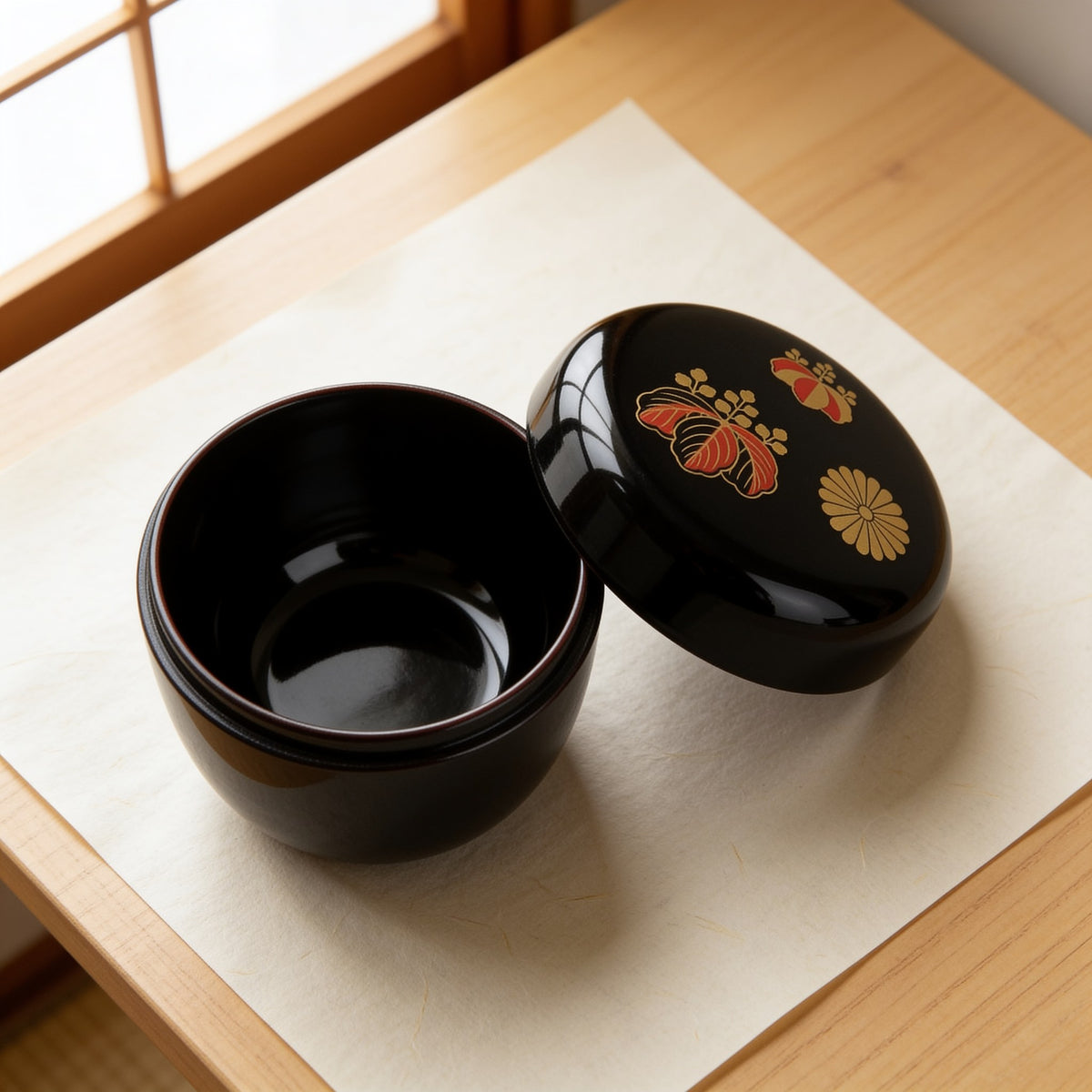
A natsume is the small lidded caddy that holds the matcha for a sitting. Its name comes from the jujube fruit its shape recalls. And here is the part most people miss: it is a serving vessel, not storage. In the old way you fill it only with what you will use that day, often sifting into it just before; the rest of your matcha stays sealed and cold, because matcha fades fast once it meets air.

Why a caddy at all, when the tin works. Two reasons, and only one of them is aesthetic. The practical one is that a tin is an awkward thing to scoop from — deep, narrow, and no shape for a chashaku — so you end up tipping powder out and guessing. A natsume is shallow and open, and the scoop meets the tea at the right angle. The other reason is that setting out what you need before you begin, rather than reaching into a cupboard halfway through, is most of what makes ten minutes feel deliberate rather than rushed.

Traditional natsume are lacquered wood — beautiful, but delicate and easily chipped in the post. This one is a maki-e style caddy in phenol resin: the look of lacquerware, but light and unbreakable, so it survives daily use and the journey from Japan. Not plastic-cheap — a quiet, warm object that earns its place on the tray.

What arrives. One caddy, about 6.8 cm across, in the Kōdaiji maki-e style: paulownia and chrysanthemum crests in gold and red on black. It comes empty, as it should: what goes in is your tea, sifted, on the morning you mean to drink it.

It is for thin tea. A natsume holds usucha. Thick tea is served from a chaire, a smaller ceramic jar in a silk pouch, and the two are not interchangeable in practice even though both hold powder. If you only ever make thin tea at home — which is what almost everyone does — the natsume is the only caddy you need. More on what a natsume is and how it is used.

How to fill it. Sift the matcha in rather than spooning it from the tin, and settle it into a low mound rather than levelling it flat. The mound is not decoration: it is what lets the scoop take a consistent amount without pressing, and it is how the caddy is set out in practice. Why sifting first changes the taste.

Care. Do not wash it. Wipe the inside with a dry, soft cloth and let any trace of powder go; water in a caddy is how the next filling clumps. Keep it out of direct sun and away from heat. Lacquer and lacquer-look finishes both dislike the same things.

And the honest limit. Filled with the day's tea, a natsume is not airtight and is not meant to be. Whatever is left at the end of the day goes back to the sealed tin in the cold, or it will be flat by the week's end. How to store matcha properly.

Maki-e patterns can change with what our maker has in stock. If yours will differ from the photographs, we will tell you before it ships.

Ships from Japan. Shipping is calculated by weight at checkout. For the United States, import duties are paid by us before the parcel leaves Tokyo — there is nothing to pay on delivery.

Specifications

OriginJapan
MaterialPhenol resin with color maki-e decoration
DesignKōdaiji maki-e — paulownia and chrysanthemum crests in gold and red on black
DiameterApprox. 6.8 cm
HeightApprox. 6.8 cm
HoldsThin tea (usucha) for a sitting — not long-term storage
AirtightNo. Keep the rest of your matcha sealed and cold
CareDry soft cloth only. No water, no detergent. Keep out of direct sun
Expected lifeYears. Keep it out of direct sun and it will not craze
Ships fromTokyo, Japan

View full details

Before you buy

Can I store my matcha in this?

Only for the day you are drinking it. A natsume is a serving vessel, not a storage tin — it is not airtight and is not meant to be. Fill it from a sealed tin kept cold, and return what you do not use. How to store matcha properly.

Is resin acceptable, or should I buy lacquer?

For daily use, resin is the sensible choice: it looks like lacquerware, weighs almost nothing, and survives both a busy kitchen and the journey from Japan. Real lacquer is warmer in the hand and chips if you look at it wrongly. Start here; buy lacquer later if the object itself starts to matter to you.

What is a natsume actually for?

It holds the thin tea (usucha) for a sitting, and it is chosen to suit the day alongside the bowl and everything else. Thick tea has its own vessel, a ceramic chaire. The full explanation.

How do I clean it?

A dry, soft cloth. No water, no soap, no detergent. Keep it out of direct sun and away from heat.

Is this a good gift?

It is a lovely small gift for someone already in tea, and a confusing one for someone who is not — a natsume is a serving vessel, not a storage tin, and that needs explaining. If they are just starting, send a set instead. Hand wrapping and a handwritten card can be added in the cart.

Tomari (とまり) is an old word for a mooring — the place a boat ties up for the night. A bowl of tea is meant to be the same: a few minutes to put the day down. You do not need to know the rules to begin.

Who chose this

I choose everything here by hand, in Japan. I practice tea rather than simply selling the tools for it — I am not a tea master and I do not claim to be. I am a practitioner, which mostly means I have ruined enough bad whisks to know what a good one feels like in the first second of holding it.

Nothing is drop-shipped and nothing passes through a third warehouse. I pack each order in Tokyo and post it from Japan, ceramics double-boxed by hand. If something arrives broken, write within 7 days with photographs of the piece and the box, and I send a replacement or a refund; there is nothing to post back unless I ask. Who writes and chooses all this, and the longer version of why this shop exists.